

Understanding Social Security Disability Insurance
Social Security Disability Insurance (SSDI) provides financial support to eligible people who cannot work due to a qualifying disability, including Miami residents. The Social Security Administration determines eligibility based on work history, medical evidence, and functional limitations. Receiving SSDI can be a lifeline, but the application is complicated. Many applicants face delays or denials. Knowing how to respond after a denial is critical.
Common Reasons Claims Are Denied
There are several reasons why your SSDI claim might be denied, including:
- Insufficient medical evidence documenting your disability.
- The Social Security Administration determined you could still perform certain work.
- Incomplete or missing forms in your application.
- Issues in claim evaluation or processing, such as missing information or incomplete records.
Steps to Take After Your SSDI Claim Is Denied
Review the Denial Letter
After your SSDI claim is denied, read the denial letter carefully. The Social Security Administration (SSA) explains why your claim was not approved in the denial notice. Look for reasons like missing evidence, insufficient documentation, or questions about your work history. Understanding these helps you know what to strengthen for your appeal. Keep a copy of the letter for reference.
Contact DWB LAW, LLC
Contacting DWB LAW, LLC for Social Security Disability Insurance Representation in Miami can make a difference. Our attorneys know SSA rules and appeals, help organize records, submit forms, and present your claim strongly. Early guidance can help you meet deadlines, avoid common mistakes, and present your medical and work evidence more clearly and completely.
Request Reconsideration
You generally have 60 days from the date you receive the denial notice to request reconsideration (the SSA usually presumes you received it 5 days after the date on the notice). During reconsideration, your claim is reviewed again by someone who did not take part in the initial decision. Submit updated evidence, clarify missing information, or correct errors. Reconsideration lets you show why your disability prevents working. Act promptly; missing the deadline can jeopardize your appeal rights, although the SSA may allow a late appeal in certain situations if you can show good cause.
Prepare for a Hearing
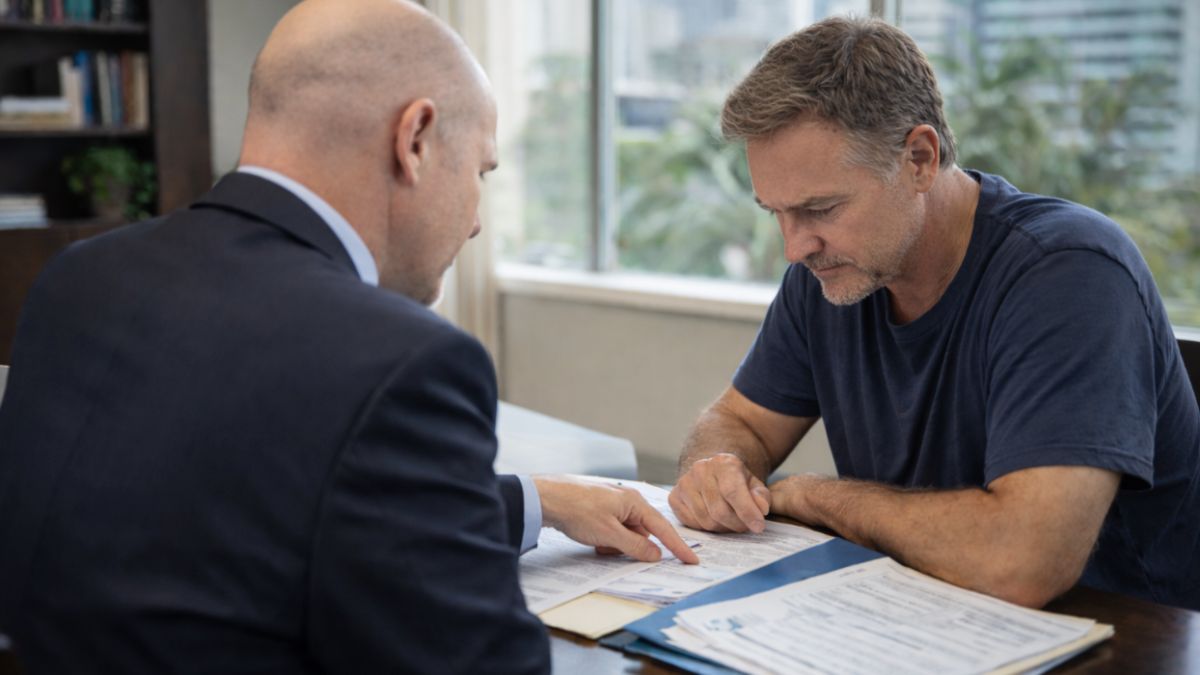
If reconsideration is denied, request a hearing with an administrative law judge. The hearing lets you explain your disability in person. Preparation eases nerves. An attorney can help gather records, coordinate witnesses, and advise you. Being prepared can help you present your limitations clearly and consistently.
Appeal to the Appeals Council
If the judge denies your claim, you may ask the Appeals Council to review the decision. The Appeals Council may deny review, issue its own decision, or send (“remand”) your case back to an administrative law judge for another hearing. A clear, organized request that points to legal or procedural issues can help the Appeals Council understand the basis for review.
Federal Court Review
If all appeals are denied, you may file a lawsuit in federal court. A federal judge reviews the existing administrative record to determine whether the SSA applied the correct legal standards and whether the decision is supported by substantial evidence. Though it takes longer, this is an additional option for seeking review. Legal guidance is absolutely essential at this stage.
How Legal Representation Can Improve Your Case
Disability lawyers in Miami can strengthen your case by guiding you through the complex Social Security disability process. These attorneys understand how disability claims are reviewed, which forms are required, and which medical records tend to carry the most weight. Representation goes beyond paperwork—it helps present your story in a clear, consistent way. Lawyers can explain how your condition affects daily life and work, organize supporting evidence, and represent you during appeals. Their guidance can help your case come across more clearly and completely.
Examples of Conditions That May Qualify (Depending on Severity and Work Limitations)
Not all health problems qualify for Social Security benefits in Miami. Eligibility depends on how severe the condition is, how long it is expected to last, and how it limits your ability to perform substantial gainful activity (work). Examples of conditions that may qualify include:
- Chronic pain or severe back injuries
- Heart problems
- Depression or anxiety disorders
- Cancer (Malignant Neoplastic Diseases)
- Neurological Disorders or long-term illness
How to Prepare for Your Disability Hearing
Reviewing Your Medical Records
Before your hearing, you are required to present a complete medical record to the Court, and your attorney must have a complete working knowledge of the Court’s file. You must review your medical records. Know your diagnoses, treatments, and doctors’ notes. Highlight records showing how your condition limits work. Understanding your history helps you answer questions and supports your case.
Practicing How You’ll Explain Your Daily Limits
Clearly explain how your disability affects daily activities. Practice describing cooking, cleaning, walking, or self-care, and note difficulties. Be candid and consistent so the administrative law judge understands your condition’s impact on your functional capacity and daily activities. Preparation with your attorney strengthens your case.
Gathering Any New Reports from Doctors
If you have new medical evaluations or treatment reports, they must be submitted to the Court at least 5 days prior to the hearing. Updated information can show changes in your condition or offer more details. Doctors’ statements about your limits are especially useful. These documents can support your claim and strengthen your appeal by adding up-to-date medical details.
Social Security Disability Insurance Representation in Miami
Filing for Social Security Disability Insurance can be stressful, and a denial can feel discouraging—but it’s not the end of the road. DWB LAW, LLC provides Social Security Disability Insurance representation in Miami and assists with appeals and next steps toward the benefits you may qualify for. We understand how the Social Security Administration (SSA) evaluates disability claims and appeals. We guide you through each stage—whether you’re filing a claim, appealing a denial, or preparing for a hearing—by handling paperwork, tracking deadlines, and presenting your information in a clear, organized way. If you’ve spent years working and contributing to the system, you don’t have to handle the SSDI process alone. Our team can help you document your work history, describe your medical limitations, and respond to requests from the SSA.